ITDC Holds AI-Assisted Development Training for Developers from CU ITs
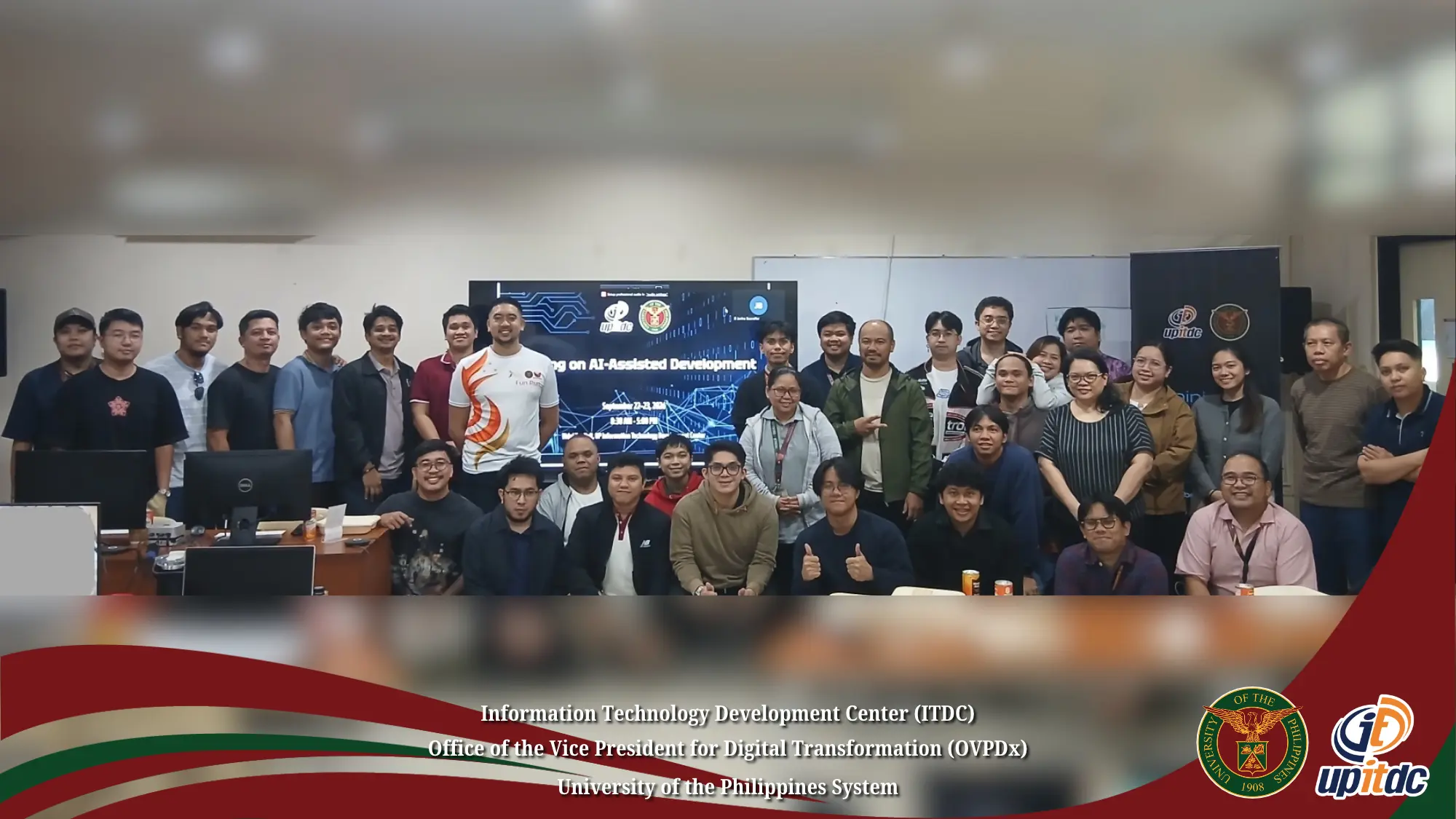
On September 22–23, 2026, ITDC hosted a two-day, hands-on AI-Assisted Development Training. Held onsite at their office in Vidal A. Tan Hall, the workshop brought together developers from the IT offices of the Constituent Units (CUs) to integrate artificial intelligence responsibly and efficiently into their software development workflows.
The 2-day workshop was led by Mr. Abril Moldez, the Section Head of the Information Systems and Database Management Section of the Digital Innovation Center (DIC) at UPLB, along with his team of developers from UPLB DIC. The program balanced foundational concepts with practical application.
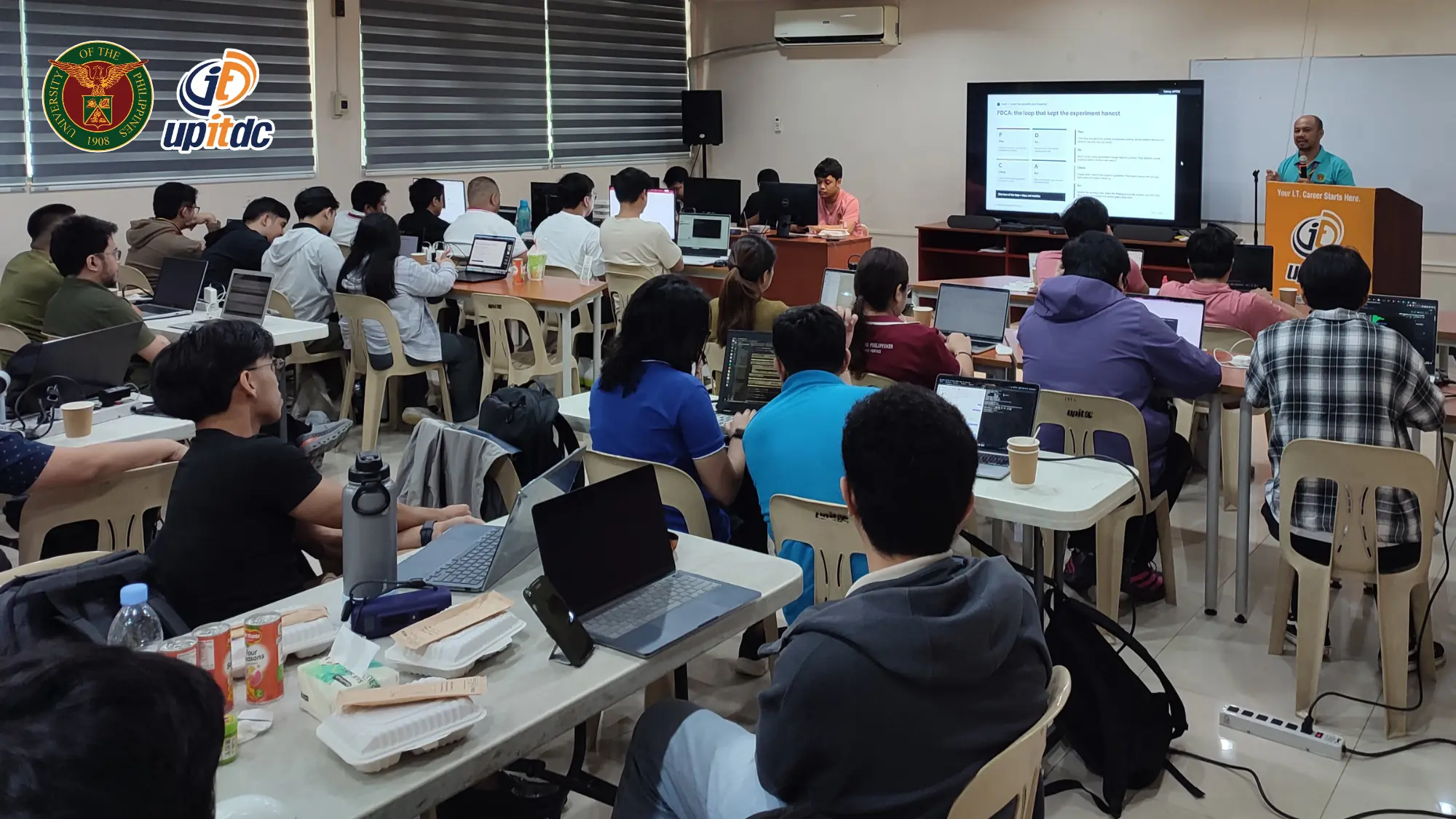
From Prompt Efficiency to Rapid Prototyping
The first day focused on establishing a strong technical foundation. Facilitators walked participants through AI development environments, live coding demonstrations, and techniques for prompt optimization and token management. Beyond technical execution, the sessions emphasized AI ethics, data privacy, and institutional governance.
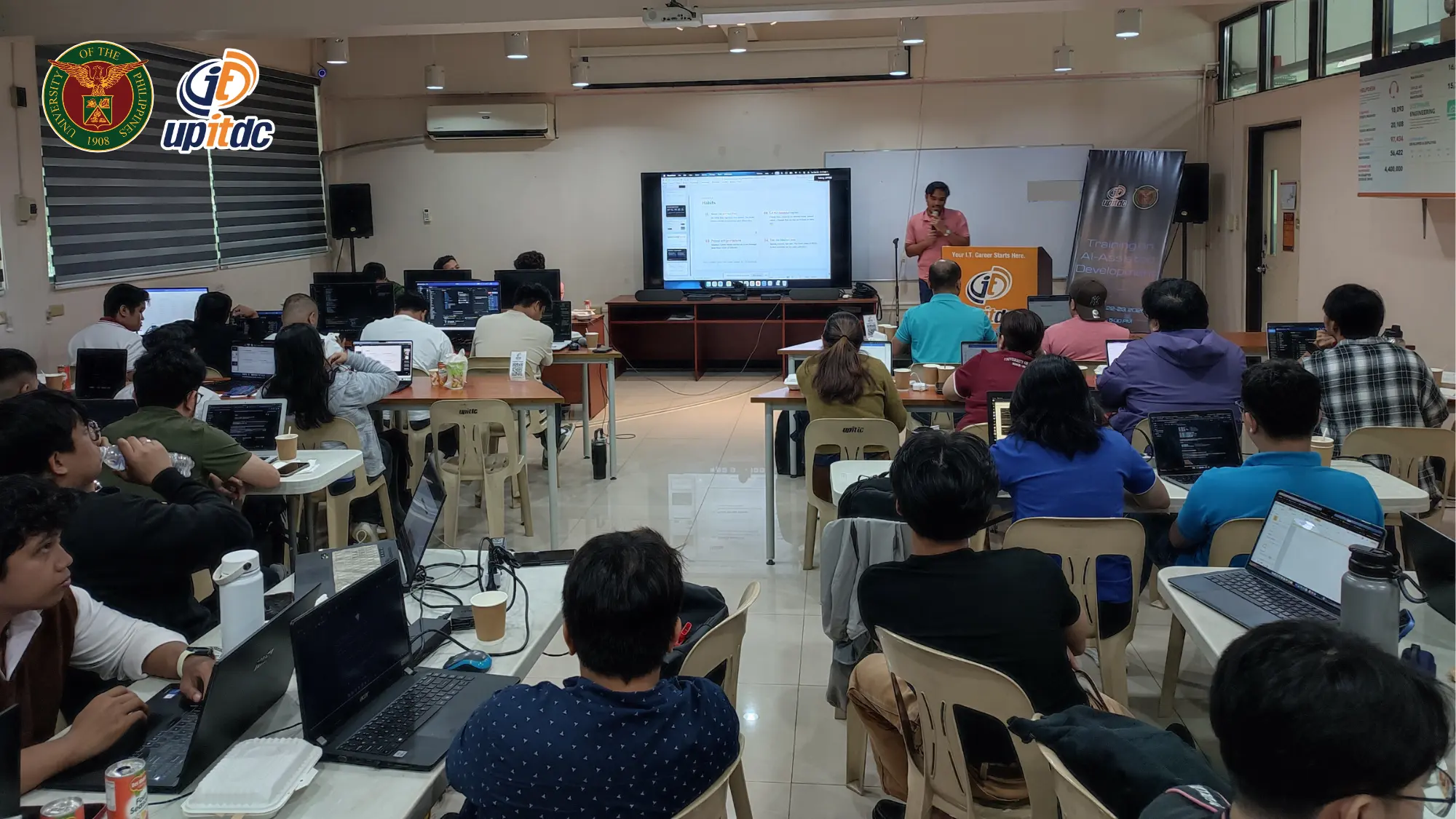
On the second day, participants put theory into practice through a guided hackathon structured around the Plan-Do-Check-Act framework. Working in teams, developers analyzed system requirements and enterprise architectures to build functional Minimum Viable Products (MVPs) integrated with a Unified Data Repository. By the end of the workshop, teams presented seven administrative prototypes:
- Attendance, Leave, and DTR System
- Budget and Disbursement Voucher Tracking
- Facilities Service Request Management
- Document Routing and Approval
- Travel Authority and Official Business Requests
- Recruiting and Onboarding System
- Tracking and Administration of Legal Agreements
Looking Ahead
While participants noted that AI-assisted development significantly streamlines and enhances the workflow, they underscored that human oversight remains essential. Human intervention continues to be a critical component in ensuring quality, system integrity, and alignment with institutional goals across all software development processes.